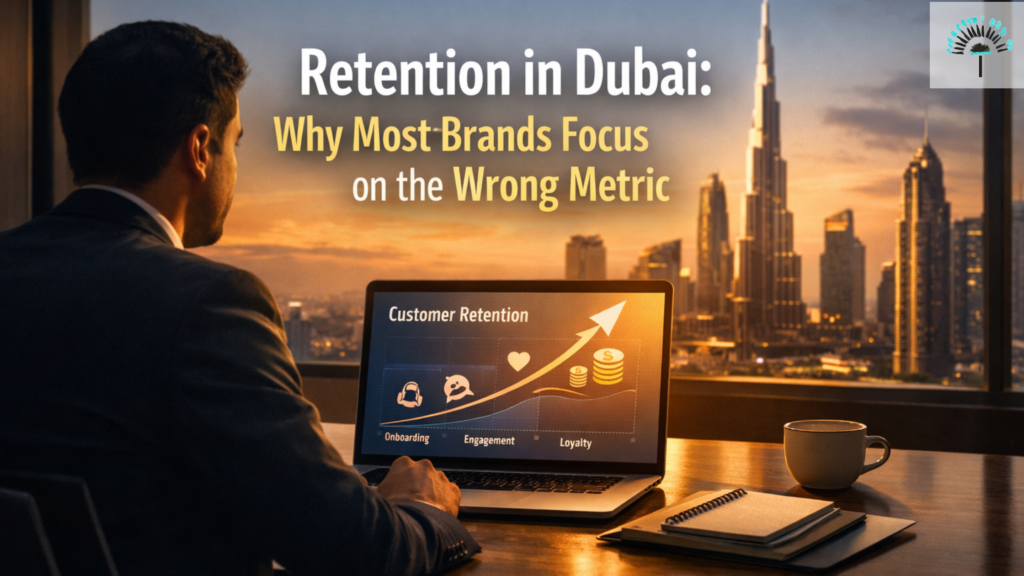

In today’s fast-paced digital landscape, customer engagement is no longer optional, but it is a necessity. Companies that prioritize meaningful interactions with their customers are not only surviving but thriving. As we step into 2025, the importance of maintaining strong customer relationships has never been greater. But why does authentic customer engagement matter so much?. And how can businesses use it to gain a competitive edge?
This blog delves into the evolving importance of customer engagement, its impact on business success, and actionable strategies to excel in this area.
What Is Authentic Customer Engagement?
Customer engagement refers to the ongoing interactions between a brand and its customers, across various channels, that create value and increase loyalty. Authentic customer engagement is not just about making a sale; it’s about building a relationship that encourages repeat business and advocacy.
Key Components of Customer Engagement:
- Personalization: Delivering tailored experiences based on customer preferences.
- Consistency: Providing seamless experiences across touchpoints.
- Value Creation: Offering solutions that solve real problems or meet specific needs.
- Two-Way Communication: Encouraging customer feedback and responding promptly.
Why Customer Engagement Matters in 2025
1. Rising Customer Expectations
With the huge evolution of digital platforms, customers expect more from brands. They demand:
- Personalized Experiences: Emails, offers, and content that resonate with their needs.
- Instant Support: Quick responses via live chat or social media.
- Omnichannel Presence: Consistent interactions across multiple platforms.
2. Competitive Advantage
In saturated markets, engaged customers are a brand’s secret weapon. Engaged customers:
- Spend More: They are 23% more likely to increase their share of wallet with the brand.
- Stay Loyal: They are more resistant to competitor offers.
- Advocate for Brands: They recommend the brand to friends and family, thereby increasing its reach.
3. Impact on Revenue
According to recent studies:
- Companies prioritizing customer engagement see 30% higher profitability.
- Brands with high engagement levels outperform competitors by 202%.
4. Enhanced Customer Retention
Acquiring a new customer costs 5x more than retaining an existing one. Engaging with your audience reduces churn and fosters long-term relationships, driving down costs and increasing lifetime value (CLV).
5. Boosting Brand Equity
Strong engagement not only impacts sales but also builds brand equity. A brand that consistently interacts with its audience gains more trust and quality, enhancing its overall market value.
Learn about the difference between vanity metrics and result oriented metrics by a short reel of ours!
The Evolution of Customer Engagement in 2025

1. Digital-First Interactions
The shift toward digital-first has accelerated, making online platforms the primary touchpoints for engagement. Tools like chatbots, mobile apps, and social media are now indispensable.
2. Hyper-Personalization
By making use of AI and big data, businesses can analyze customer behaviors to deliver hyper-personalized experiences. For example:
- Streaming services recommending tailored content.
- E-commerce platforms suggesting products based on browsing history.
3. Community Building
Brands are fostering communities to deepen relationships. Examples include:
- Fitness brands creating online groups for shared goals.
- Tech companies hosting forums for user support.
4. Ethical Engagement
In 2025, customers expect brands to align with their values. Transparent communication about sustainability, inclusivity, and corporate responsibility is now a cornerstone of engagement.
5. Real-Time Engagement
Consumers today value immediacy. Brands that respond to queries or concerns in real-time—through live chats, real-time social media interactions, or instant SMS updates—win higher customer satisfaction.
Strategies to Improve Customer Engagement
1. Leverage Data Analytics
Understanding your customers begins with data. Analyze metrics such as:
- Engagement Rate: Measures customer interactions like clicks, shares, and comments.
- Net Promoter Score (NPS): Gauges customer loyalty and satisfaction.
- Customer Lifetime Value (CLV): Tracks the total revenue a customer generates over their lifetime.
- Customer Journey Insights: Map and analyze the customer journey to identify gaps and opportunities.
2. Personalize the Experience
Use customer data to:
- Tailor recommendations.
- Send targeted promotions.
- Craft personalized email campaigns.
- Provide location-based offers for in-store or local services.
3. Invest in Omnichannel Strategies
Ensure a unified experience across platforms by:
- Syncing online and offline touchpoints.
- Using tools like CRMs to track interactions.
- Offering consistent messaging on social media, websites, and in-store.
4. Prioritize Customer Feedback
Actively seek and act on feedback:
- Use surveys, polls, and focus groups.
- Respond to reviews promptly.
- Demonstrate improvements based on customer suggestions.
- Create a feedback loop where customers see the direct impact of their inputs.
5. Enhance Customer Support
Quick and effective support builds trust. Strategies include:
- Implementing AI chatbots for instant responses.
- Training support teams for empathetic communication.
- Offering 24/7 assistance through multiple channels.
- Providing multilingual support for diverse audiences.
6. Build a Community
Encourage customers to connect with your brand and each other:
- Host webinars and live events.
- Create social media groups.
- Share user-generated content (UGC).
- Develop loyalty programs that reward community contributions.
Case Study: Starbucks’ Customer Engagement Excellence

Challenge:
Starbucks wanted to deepen customer loyalty in a competitive coffee market.
Solution:
- Starbucks Rewards App:
- Offers personalized discounts and rewards.
- Tracks customer preferences for tailored experiences.
- Social Media Engagement:
- Uses Instagram and Twitter to interact with customers directly.
- Runs UGC campaigns encouraging followers to share photos.
- Community Involvement:
- Initiates programs supporting local causes.
Results:
- 25% increase in repeat purchases.
- 15% rise in overall sales.
- Strengthened brand loyalty through personalized engagement.
Metrics to Track Customer Engagement
1. Customer Retention Rate (CRR):
The percentage of customers retained over a specific period.
2. Average Engagement Time:
The average duration customers spend interacting with your brand.
3. Customer Satisfaction Score (CSAT):
Measures how satisfied customers are with your product or service.
4. Churn Rate:
Tracks the rate at which customers stop doing business with your brand.
5. Social Media Engagement:
Monitors likes, shares, and comments to gauge digital presence.
6. Customer Feedback Conversion:
Tracks how many feedback suggestions are implemented and their impact.
The Future of Customer Engagement
- AI-Powered Personalization:
- Predictive analytics to anticipate customer needs.
- Voice-enabled assistants offering tailored solutions.
- Augmented Reality (AR):
- Virtual try-ons in retail.
- Interactive AR ads.
- Sustainability-Focused Engagement:
- Communicating eco-friendly initiatives.
- Incentivizing sustainable customer behavior.
- Gamification:
- Incorporating game-like elements in loyalty programs.
- Rewarding customers for engagement milestones.
- Voice Commerce Integration:
- Engaging customers via smart devices and voice-activated technologies.
Conclusion
Authentic customer engagement is the lifeblood of modern businesses. In 2025, brands that prioritize meaningful connections will lead the pack. By leveraging data, personalizing experiences, and fostering community, your business can not only meet but exceed customer expectations. Ready to elevate your engagement strategy? Contact us to learn more or explore our blog on “Top Strategies for Improving Customer Engagement”.